
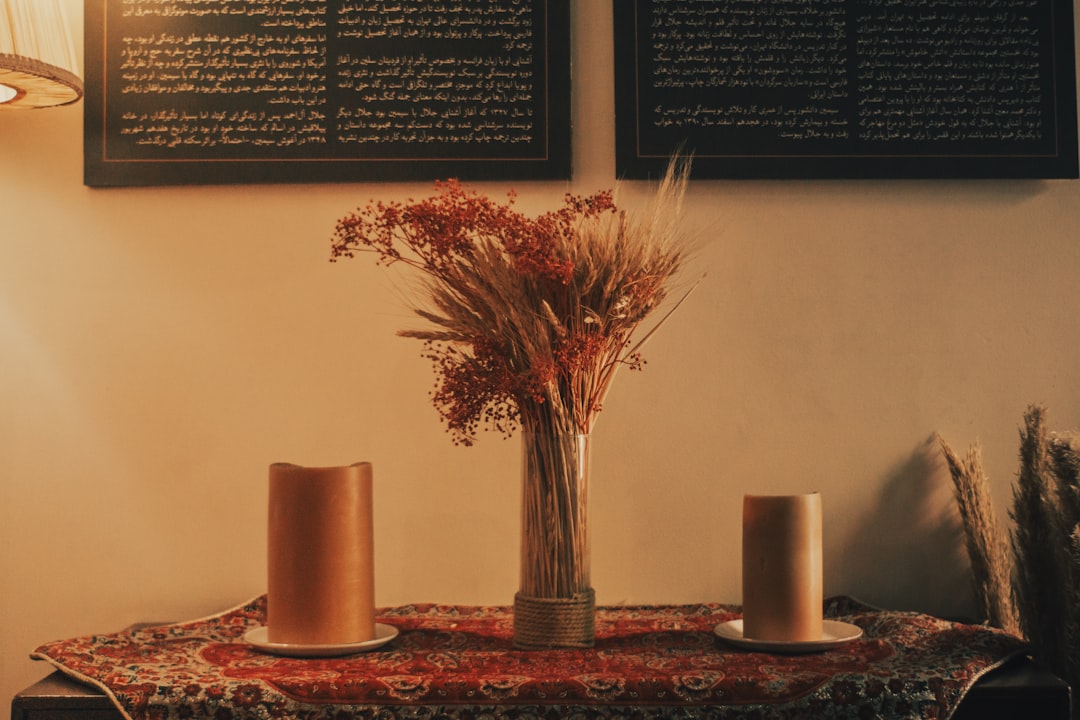
Creating a visually appealing home is an art that involves more than just choosing the right colors or furniture. One of the most effective ways to elevate your space is by mixing textures. Textures add depth, interest, and a tactile quality to your decor that can transform a room from ordinary to extraordinary. In this guide, we will explore how to mix textures in home decor effectively, with practical steps to implement this strategy in your own home.
Understanding Textures
Before diving into the mixing process, it’s essential to understand what textures are. Textures can be categorized into two main types: tactile and visual. Tactile textures are those you can feel, such as the softness of a velvet cushion or the roughness of a wooden table. Visual textures, on the other hand, are perceived through sight, like the pattern on a fabric or the sheen of a metallic surface. Both types play a crucial role in creating a layered and inviting atmosphere.
The Importance of Mixing Textures
Mixing textures is vital for several reasons. First, it adds dimension to your decor. A room filled with only smooth surfaces can feel flat and uninviting. By incorporating various textures, you create a more dynamic environment that draws the eye and invites touch. Second, mixing textures can help to define different areas within a space, especially in open-concept homes. Finally, textures can evoke emotions and set the mood of a room, making it feel cozy, elegant, or even playful.
Choosing Your Textures
When selecting textures for your home, consider the following elements:
1. **Contrast**: Pairing contrasting textures can create a striking visual effect. For example, a soft, plush rug can beautifully complement a sleek leather sofa.
2. **Balance**: While contrast is important, balance is equally crucial. Ensure that no single texture overwhelms the others. A good rule of thumb is to have a mix of soft, hard, smooth, and rough textures.
3. **Color Coordination**: Textures should not only contrast but also harmonize in color. A cohesive color palette will help unify the different textures in your space.
4. **Functionality**: Consider the function of each room. For example, a cozy, textured throw blanket is perfect for a living room, while a sleek, easy-to-clean surface might be more appropriate for a kitchen.
Step-by-step plan:
Step 1: Identify the key textures you want to incorporate into your space, such as wood, metal, fabric, and glass.
Step 2: Choose a color palette that complements your chosen textures, ensuring they work harmoniously together.
Step 3: Start layering textures in one area of the room, beginning with larger pieces like furniture and then adding smaller elements like cushions and decor.
Step 4: Step back and assess the overall look, making adjustments as needed to achieve the desired balance and contrast.
Implementing Texture in Your Home
Now that you have a plan, let’s explore how to implement these textures in your home:
1. **Living Room**: Start with a foundational piece, like a sofa. If you have a leather sofa, consider adding a knitted throw, velvet cushions, and a woven basket for magazines. A glass coffee table can add a sleek contrast to the softness of the textiles.
2. **Bedroom**: Layer your bedding with different textures. Use a smooth cotton sheet, a fluffy duvet, and a chunky knit throw. Incorporate a wooden headboard and metal bedside lamps to add depth.
3. **Dining Room**: Mix materials by using a wooden dining table paired with metal chairs. Add a textured table runner or placemats to create visual interest.
4. **Bathroom**: Use plush towels, a woven basket for storage, and a sleek glass shower door to create a spa-like atmosphere.
Final Thoughts
Mixing textures in home decor is an exciting way to express your personal style and create a warm, inviting space. By following the steps outlined in this guide, you can confidently layer different textures to achieve a balanced and harmonious look. Remember, the key is to experiment and have fun with the process. Your home should reflect your personality, and mixing textures is a fantastic way to showcase that individuality.